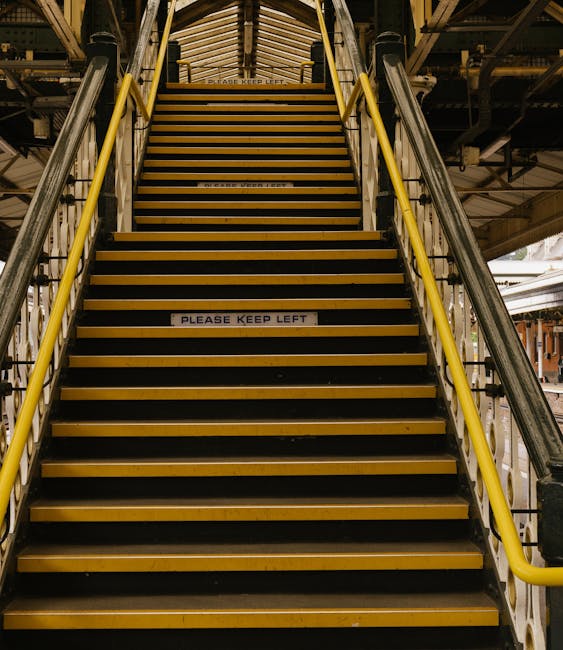
South Quay Flat Removals Access and Stair Challenges: a Practical Guide for Easier Moves
Moving out of a flat in South Quay can look simple on paper. In real life, it often means tight lobbies, awkward corners, lift delays, permit worries, and staircases that seem to get narrower the more boxes you carry. If you are dealing with South Quay flat removals access and stair challenges, the real job is not just lifting furniture; it is planning the route, protecting the building, and making sure the move does not turn into a slow, stressful slog.
This guide breaks down what matters, how flat access works in a busy Docklands setting, and what to do when stairs become the main obstacle. You will find practical steps, common mistakes, and the kind of detail that helps when you are standing in a hallway with a sofa that suddenly feels twice its size. Truth be told, that happens more often than people expect.
Whether you are moving from a high-rise apartment, a lower-floor flat with awkward communal stairs, or a riverside block with strict access rules, the aim is the same: keep the move efficient, safe, and calm enough that you can still breathe normally by the end of the day.
- Why access and stairs matter in South Quay
- How flat removals in South Quay typically work
- Key benefits of planning the move properly
- Who needs this approach and when it makes sense
- Step-by-step guidance for a smoother move
- Expert tips for tricky access and staircases
- Common mistakes to avoid
- Tools, resources and practical recommendations
- Law, compliance, standards and best practice
- Options and method comparison
- Real-world example
- Practical checklist
- Conclusion
- Frequently asked questions
Why South Quay flat removals access and stair challenges Matters
South Quay has a very specific moving environment. You have modern apartment buildings, underground parking in some developments, shared entrances, lifts that may need booking, and stairwells that are often designed for everyday use rather than moving a wardrobe the width of a small doorway. That mix changes everything.
Access issues matter because they affect time, safety, and cost. If the movers cannot park near the entrance, every item takes longer to carry. If the lift is small or out of service, stairs become the only route. If the stairwell has tight turns, low ceilings, or fire doors that close too fast, furniture handling needs more care. One small misjudgement can lead to scratched walls, strained backs, or a delay that snowballs through the rest of the day.
And let us be honest, flats in Docklands can be polished on the surface while still being awkward to move through. A clean lobby does not necessarily mean an easy route. The best moves are usually the ones where the access plan was thought through before the first box moved.
That is why this topic matters for both residents and landlords, and for anyone comparing flat removals with a standard house move. The practical difference is huge.
How South Quay flat removals access and stair challenges Works
At a simple level, the process is about matching the right moving method to the building layout. In a South Quay flat move, the moving team usually checks four things first: where the vehicle can stop, how items will leave the property, whether a lift is available, and how the stairwell or corridor behaves once larger items start moving through it.
That sounds obvious, but in practice each building presents its own little puzzle. One block might have a decent service lift but strict booking times. Another might have a front entrance that is close to the road yet too busy for long loading. A third might be on the first floor, but the stairs curve sharply around a landing and the fridge has no interest in making that bend politely.
Good planning means measuring, checking, and sequencing. The team will usually decide what comes down first, what needs wrapping before it is touched, and whether some items should be dismantled in advance. For awkward stairs, the order matters. Carrying the easy boxes first is tempting, but sometimes the largest item needs to be tackled while everyone is still fresh and focused.
If storage or temporary holding is needed because the access window is short, that can help take pressure off the day. A short stop at storage is not just a backup plan; in busy apartment moves, it can be the difference between a rushed handover and a manageable one.
In our experience, the best outcomes come from treating access as a moving task in its own right, not as a minor detail. It is the route. It is the route, really.
Key Benefits and Practical Advantages
When access is planned properly, a South Quay flat move becomes much more predictable. That is a big deal. Predictability reduces stress, but it also reduces avoidable damage and wasted time.
Here are the main advantages of doing it properly:
- Less risk of damage to walls, banisters, lifts, doors, and furniture.
- Faster loading and unloading, especially where parking and lift access are limited.
- Safer handling for heavy items like wardrobes, mattresses, and white goods.
- Better coordination with building rules, concierge teams, and time windows.
- Fewer surprises on moving day, which is worth a lot when you are already juggling keys, bins, paperwork, and a hundred small decisions.
There is also a money angle. If a move is slowed down by access problems, it can increase labour time. That does not mean every awkward flat is expensive, but it does mean the cheapest quote on paper is not always the cheapest move in practice.
Another benefit is emotional, although people rarely say it out loud. A move that feels organised is easier to live through. You do not get that slightly panicked feeling when the sofa is halfway down the stairwell and someone mutters, "I think we should have measured this."
| Access issue | Typical risk | Practical advantage of planning ahead |
|---|---|---|
| Small or shared lift | Delays, multiple trips, queueing with residents | Clear booking, split loads, better timing |
| Narrow stairwell | Scratches, awkward turns, item damage | Measured routes, dismantling, protective wrapping |
| Limited parking outside the block | Long carry distances, slower loading | Pre-arranged stopping point and quicker turnaround |
| Building restrictions | Missed slot, access refusal, frustration | Early communication and permit awareness |
Who This Is For and When It Makes Sense
This guide is for anyone moving in or out of a South Quay flat where access is not straightforward. That includes tenants, leaseholders, landlords arranging a changeover, and anyone helping a relative move out of an apartment with more stairs than they remembered from the viewing.
It is especially useful if:
- your building has a lift that may be small, shared, or booked in advance;
- your flat is above ground floor and the stairs are the main route;
- you have large furniture, gym equipment, or fragile items;
- the move is happening during a narrow time slot;
- you need to fit the move around concierge rules or loading restrictions;
- you want a calm move rather than a last-minute scramble.
It also makes sense if you are comparing moving styles. For some jobs, a larger removal team is the right call. For others, a smaller flexible option like man with van support is enough, especially where parking and access are tight and the load is moderate.
Let's face it, not every flat move needs the same level of heavy logistics. A student flat with three bags, a desk, and a bike is a very different animal from a two-bedroom apartment with a dining table and a mattress that refuses to bend, ever.
Step-by-Step Guidance
If you want fewer surprises, follow a simple process. Nothing fancy. Just the kind of routine that stops small problems becoming expensive ones.
1. Check the route before moving day
Look at the path from the flat to the vehicle. Measure doors, note turns, and think about where larger items will need to tilt or rotate. If there is a lift, check whether it is large enough for your biggest items and whether there are booking restrictions.
2. Speak to the building management early
Ask about lift reservations, loading bays, moving hours, and any padding or floor protection rules. Some apartment buildings are quite relaxed, others are not. A ten-minute conversation now can save a very annoying phone call later.
3. Decide what needs dismantling
Bed frames, some wardrobes, shelving, and large tables may move more safely in parts. Dismantling is not always necessary, but it often makes stair moves much easier. Keep screws and fittings in labelled bags. Not glamorous, but absolutely worth it.
4. Protect walls, floors, and furniture
Use blankets, wraps, corner protectors, and floor coverings where needed. Communal hallways and painted banisters are easy to mark. Once scratched, they stay scratched. Bit of a pain, really.
5. Load in the right order
Heavy and awkward items usually go first while the team has the most energy and the route is still clear. Boxes can follow more easily. The wrong loading order can create congestion at the worst possible moment.
6. Keep a clear walkway inside the flat
Remove loose rugs, bins, and small furniture from the path. Leave doors open where appropriate. If you are still living in the flat on moving day, keep one small zone for essentials and do not let it turn into chaos. Everyone has that one drawer that becomes a black hole; try not to let the whole room become one.
7. Do a final walk-through
Check for missed items, keys, utility readings if needed, and any damage to report. A calm final walk-through is the difference between a tidy handover and an awkward half-hour of searching behind radiators.
Expert Tips for Better Results
Here is the stuff that tends to make a real difference in South Quay flat removals. Not theory. Practical, lived-in advice.
Choose the right time of day. If you can avoid the busiest building periods, do it. Mornings can be smoother in some blocks, while others are easier later in the day. Ask the building team what usually works best. You do not want to arrive just as residents are coming in with shopping and prams.
Measure the awkward item, not just the obvious one. People often measure the sofa and forget the landing. The turn at the top of the stairs, the handrail, and the doorway edge matter just as much.
Use a team that is comfortable with stairs. Stair moves are a skill. They need steady communication, careful lifting, and patience. If someone is rushing, that is where mistakes start.
Keep fragile items separate. A stairwell can shake even well-packed items more than you think. Pack mirrors, glass, lamps, and artwork with extra protection and label them clearly.
Be realistic about what can stay assembled. A bed that is technically possible to carry downstairs intact may still be a terrible idea in a tight stairwell. Possible and sensible are not always the same thing.
Have a backup plan for lift issues. Lifts fail. It happens. If you know there is a fallback route or a way to split the job, the day feels less fragile.
Expert summary: The smoother South Quay moves are usually the ones where the route is measured, the building is informed, and the heaviest furniture is treated like a puzzle instead of a push-and-hope exercise.
Common Mistakes to Avoid
Some moving problems are unavoidable. Others are self-inflicted, which is annoying but fixable.
- Assuming the lift will be available without checking the booking process.
- Forgetting to measure stair turns and door widths.
- Leaving dismantling too late until moving morning.
- Not reserving parking or loading space where that matters.
- Overpacking boxes, which turns a simple carry into a back-strain candidate.
- Ignoring building rules and then acting surprised when access is delayed.
- Not protecting the route, especially in communal areas with paintwork and glass panels.
A lot of these mistakes come from optimism, which is understandable. Everyone wants the move to be simple. But flat moves in South Quay often reward the person who plans for the awkward bits rather than hoping they will sort themselves out.
And no, "we'll just see on the day" is not a moving strategy. It is a gamble. A slightly sweaty one, usually.
Tools, Resources and Recommendations
You do not need specialist equipment for every move, but the right tools make stair and access jobs much easier.
- Furniture blankets and covers for protecting edges and painted surfaces.
- Straps and trolleys for safer handling of heavier items.
- Corner protectors for narrow staircases and door frames.
- Clear labelling so boxes can be stacked and placed quickly.
- Basic tools for dismantling beds, shelves, and tables.
- Strong packing materials from a reliable packing and boxes service if you want to reduce breakages and speed up loading.
If the move involves bulkier items or mixed loads, it can also help to look at removal services that are built around apartment logistics rather than general transport alone. That distinction matters more than many people think.
For larger homes or multi-room clear-outs, something like house removals may be a better fit, while smaller flat jobs can stay lean and simple. The key is matching the service to the access challenge, not just the number of boxes.
A sensible recommendation? Ask a few practical questions before you book: Will the team handle stairs regularly? Can they work around a lift booking? Do they help with dismantling? Have they dealt with tight communal access before? Those answers tell you a lot.
Law, Compliance, Standards, or Best Practice
For flat removals in South Quay, the main compliance concerns are usually practical rather than dramatic. You are generally dealing with building rules, health and safety expectations, parking or loading restrictions, and safe lifting practices. That means the mover should behave in a way that protects people and property, and the resident should make sure the building requirements are known in advance.
In UK moving practice, it is sensible to expect:
- clear communication about access times and restrictions;
- safe manual handling and teamwork for heavy or awkward items;
- careful use of lifts, stairs, and communal areas;
- reasonable protection of floors, walls, and entry points;
- appropriate insurance and transparent terms.
That is why pages such as insurance and safety and the company's health and safety policy are worth reviewing before a move. If you are comparing providers, this is not the dull paperwork bit; it is where you learn whether they actually take risk seriously.
It is also sensible to read the terms and conditions and pricing and quotes information so you understand what is included, what might change if access is difficult, and how estimates are handled. Transparent pricing is a good sign. Vague pricing, less so.
If you are sharing a building with other residents, be considerate about noise, hallway obstruction, and lift use. That is not just good manners. It is often part of living well in a managed block.
Options, Methods, or Comparison Table
There is rarely one single "best" method for a South Quay flat move. The right choice depends on the size of the load, the building layout, and how much stair work is involved.
| Method | Best for | Strengths | Limitations |
|---|---|---|---|
| Full removal team | Larger flats, bulky furniture, longer routes | More manpower, better for complex access | Usually higher cost than smaller options |
| Man and van | Smaller flats, lighter loads, flexible timing | Flexible and often efficient for short moves | May be less suited to heavy stair-only jobs |
| Hybrid approach | Mixed loads, awkward access, partial packing | Can balance cost and support well | Needs clear coordination |
| Storage plus staged move | Delayed handovers or access problems | Reduces pressure on the moving day | Requires extra planning and temporary storage |
For some people, a smaller vehicle is enough. For others, the best option is a fuller service that can handle the physical realities of the staircase and the building. If your move is urgent, it may also be worth looking at same-day removals, though only if the access plan is clear. Urgent and awkward is possible. Urgent and unplanned is where headaches begin.
Case Study or Real-World Example
Here is a typical South Quay-style scenario. A one-bedroom flat on the third floor, lift booked for a narrow window, and a dining table that looked harmless until it reached the stair landing. The residents had already packed most small items, but the largest pieces were still assembled.
The first sensible move was to measure the route from the front door to the vehicle point and check where the table legs might catch. The second was to remove the table legs before anyone tried to force the item through the stair turn. That saved time immediately. The team also wrapped the banister edge and used an extra set of hands at the landing, which made the descent much smoother.
What made the move work was not speed. It was sequence. Boxes went first from the bedroom, the mattress followed once the path was open, and the heavier furniture came after the awkward access points had been cleared and checked. Nothing dramatic. Just careful, calm handling.
That kind of approach is exactly why local flat moves benefit from experience with apartment buildings and stair-sensitive routes. A mover who has seen this sort of thing before will notice the little traps quickly: the low overhang, the door closer that swings too fast, the corner that needs a pause halfway through. The details matter.
Practical Checklist
Use this checklist if you want to keep the day under control.
- Confirm the moving date and access times.
- Check whether the lift needs booking.
- Measure doors, stair turns, and large furniture.
- Ask about parking or loading restrictions.
- Separate fragile items and label them clearly.
- Dismantle bulky furniture where sensible.
- Protect floors, walls, and banisters.
- Keep essentials packed separately.
- Review insurance, terms, and any building rules.
- Allow extra time for stairs, lift delays, or access issues.
If you are still deciding how much support you need, compare your move with the broader removals options available and think honestly about the building layout. A realistic plan usually wins over an optimistic one. Every time.
Conclusion
South Quay flat removals access and stair challenges are rarely impossible, but they do ask for forethought. That is the simple truth. When you understand the route, communicate with the building, and choose the right moving method, the whole experience becomes safer, faster, and far less stressful.
It is easy to focus on the boxes and forget the building itself. Yet in apartment moves, the building is half the job. Stairs, lifts, turns, parking, and timing all shape the day. Once you treat those details seriously, the move starts to feel manageable again.
If you are weighing up your options, the next sensible step is to plan access before anything else. Then pack, then move. In that order, ideally.
Get a free quote today and see how much you can save.
And if the staircase looks a bit unfriendly at first glance, that is fine. With the right prep, it usually turns out to be just another part of the route.
Frequently Asked Questions
What makes South Quay flat removals different from a normal house move?
Flat removals in South Quay often involve tighter access, shared lifts, communal hallways, and stairwells that were not built with large furniture in mind. That means the route matters as much as the load itself.
How do I know if my stairs are too narrow for furniture?
Measure the narrowest point on the stair route, including landings and door frames, then compare that with the biggest item you plan to move. If you are unsure, measure the item diagonally as well as upright, because turning space can be the real issue.
Should I dismantle furniture before a flat move?
Usually, yes for bulky items. Bed frames, some tables, and larger wardrobes often move more safely in pieces. It is not always necessary, but it often makes stair access much easier.
Do moving teams help with lift bookings and building access?
Many do, but you should always check in advance. Some buildings require specific booking windows, floor protection, or notification to management, so it is best to sort that out early.
What happens if the lift breaks on moving day?
A good team will adapt by switching to stairs, adjusting the load, or rescheduling part of the move if needed. It is one reason access planning should include a backup option.
Is a man and van service enough for a South Quay flat move?
It can be, especially for smaller flats or lighter loads. If the furniture is bulky, the stairs are tight, or the move involves more than a few items, a larger removal setup may be better.
How can I protect the stairwell and hallway from damage?
Use blankets, corner protection, careful lifting, and clear communication on the route. The key is to slow down at turns and around door frames, where most accidental knocks happen.
Do I need to tell building management about my move?
In many apartment buildings, yes. It is sensible to check because there may be lift booking rules, access times, or loading restrictions that need to be followed.
Will difficult access increase the cost of my move?
It can, because stair-only access or long carry distances usually take more time and labour. The exact effect depends on the building and the volume of items, which is why honest access details matter when getting a quote.
What items are hardest to move in a South Quay flat?
Sofas, mattresses, wardrobes, fridges, and large tables are often the trickiest, especially where there are turns on the stairs or a small lift. Anything awkwardly shaped can become a puzzle very quickly.
How far in advance should I plan a flat move with stair challenges?
As early as you can. Even a short move benefits from advance checks on measurements, lift access, and parking. A little lead time makes the whole day feel much calmer.
What is the biggest mistake people make with flat access?
Assuming the route will work without checking it properly. People often focus on packing and forget the practical question: will this actually fit through the building? That one question saves a lot of trouble.
Where can I get help if I need packing, storage, or a more tailored moving setup?
You can look at services such as packing and unpacking services, man and van support, or even furniture removals if the job is mainly about heavy items. Matching the service to the access challenge is usually the smartest move.